At 2.0 seconds, you may observe a person standing beside your driver-side door. That changes the problem before your hand ever reaches the gun.
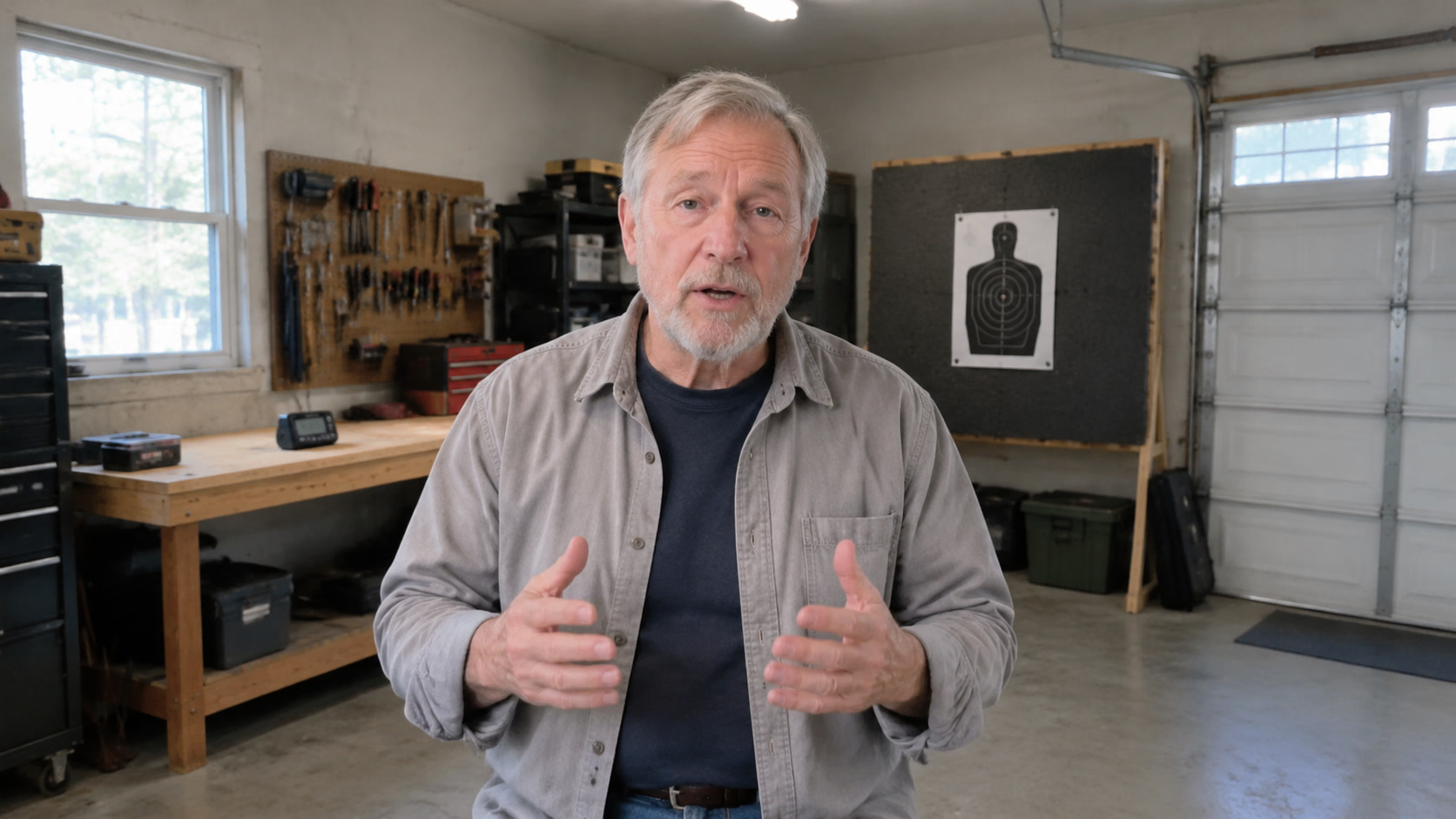
I’m Ricardo Shipman. I’m 66, and I spent years teaching police officers how to approach vehicles during traffic stops. I carried an issued pistol during my law-enforcement career. Today, I carry a Smith and Wesson Shield Plus at four o’clock most days.
The gun has outlasted two of my personal holsters. My changing midsection forced me to refit the setup. Arthritis at the bases of my thumbs changed what my hands could comfortably run. My memory is no longer what it used to be. Even a good memory wouldn’t show what a new waistline does to a holster after six hours.
That’s why this is more than a gun-choice book. It’s more than a holster book. It’s more than a discussion of what happens after a defensive shooting. Carry After 60 brings those three jobs together in 395 pages, across three books, with 31 chapters.
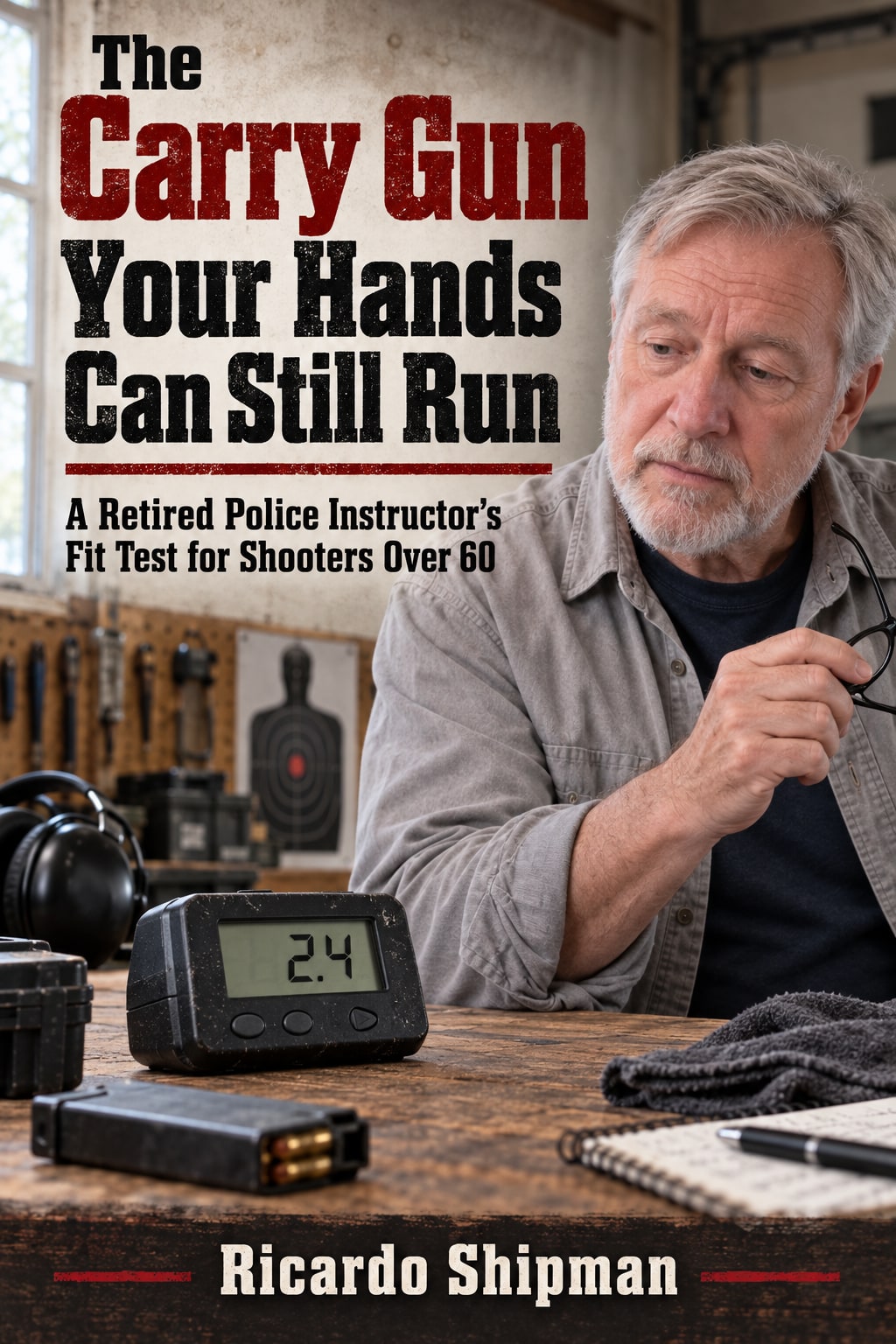
The first book is The Carry Gun Your Hands Can Still Run. Its job is to measure the gun, your hands, and your eyes before you trust any of them. On page 28 in The Carry Gun Your Hands Can Still Run, “What Your Hands Can Actually Run” helps you judge the controls and operating effort your hands can manage. On page 118 in that book, “Choose the Gun Your Record Can Defend” points you back to measured performance instead of confidence or folklore.
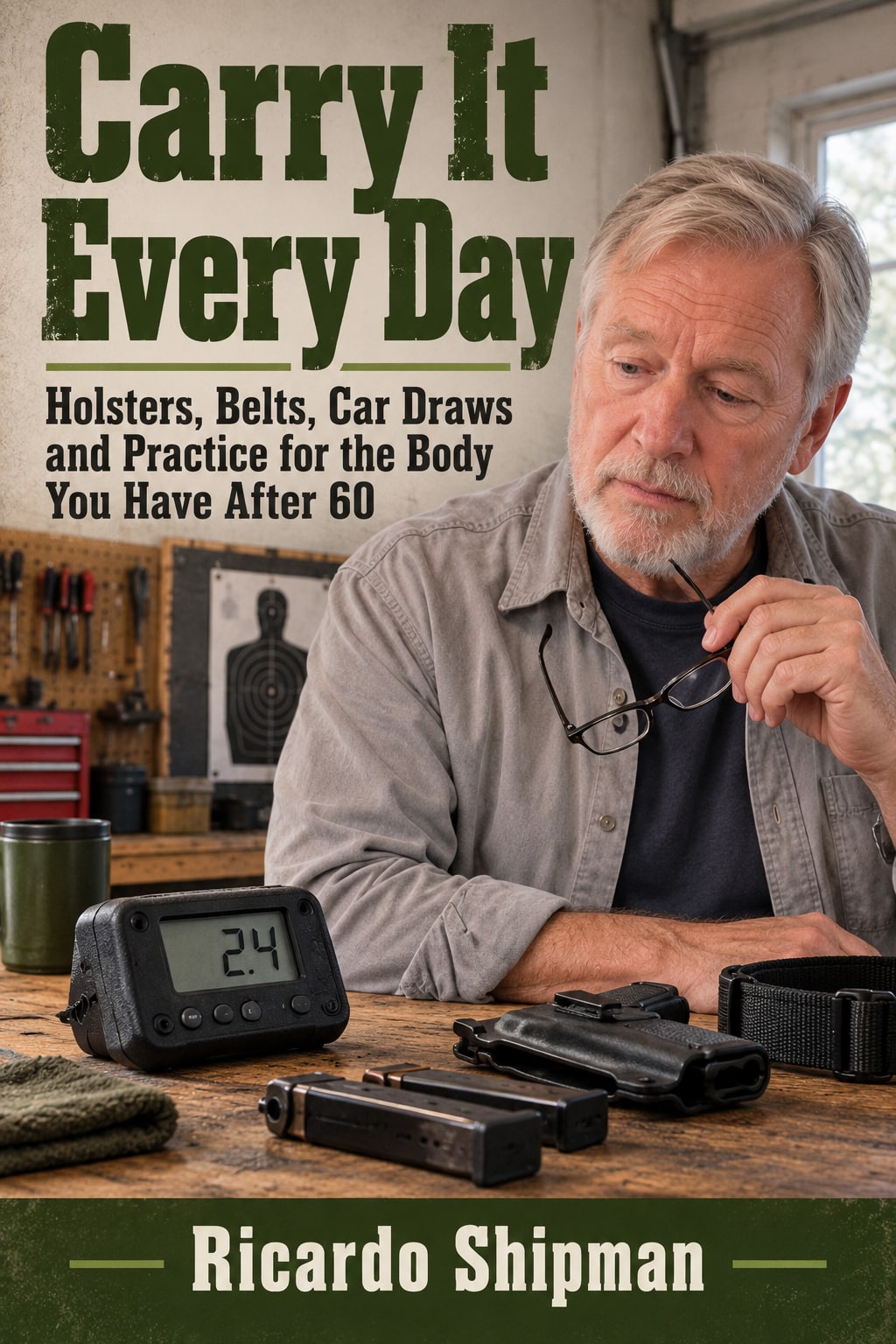
The second book is Carry It Every Day. Its job is to build one setup your body can wear, reach, and practice. On page 47 in Carry It Every Day, “When a Belly Changes the Geometry” addresses the fit problem I had to solve for myself. On page 60 in that book, “The Car Is a Different Body Position” treats the vehicle as its own physical problem, not just another place to stand.
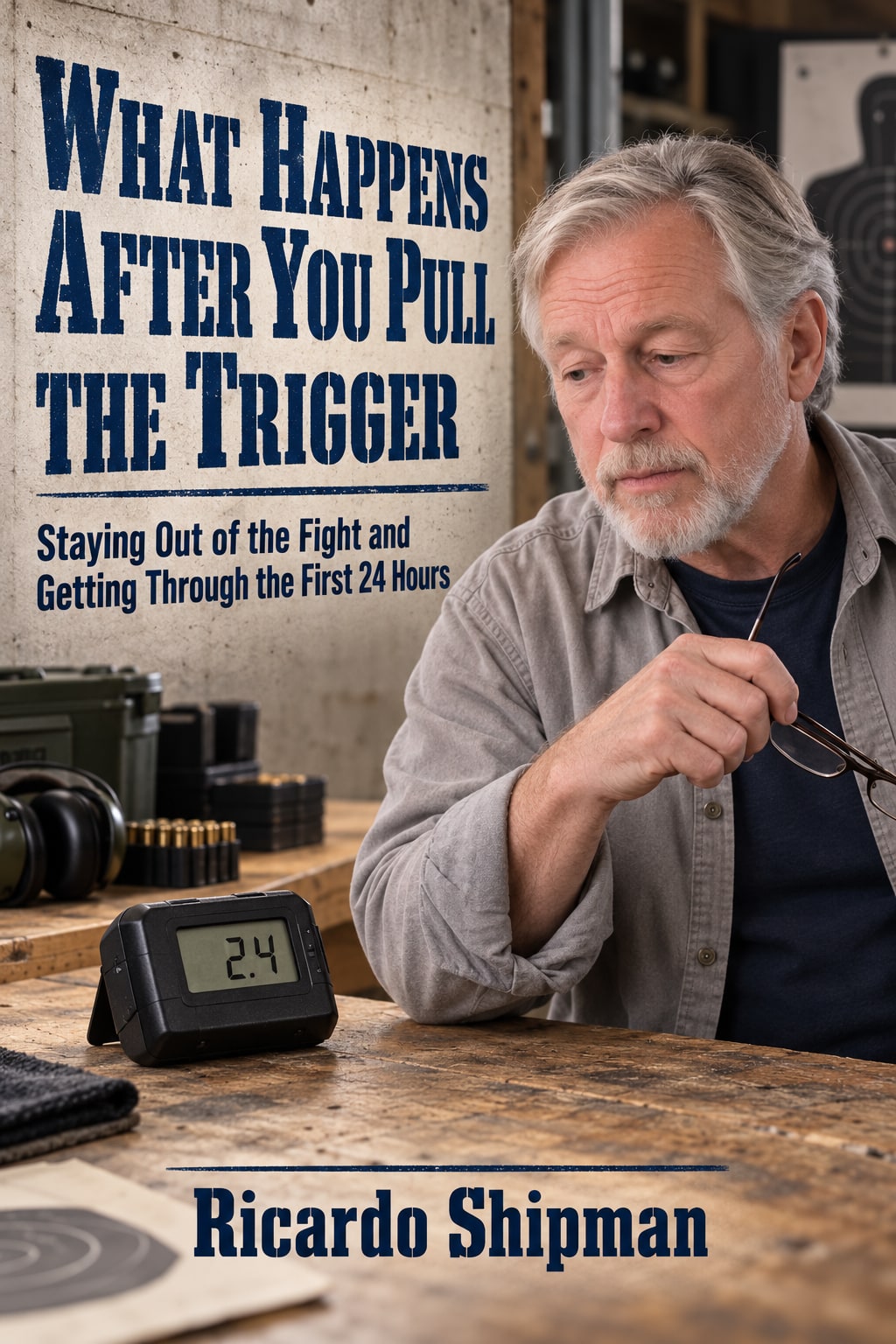
The third book is What Happens After You Pull the Trigger. Its job is to prepare your family, read the scene, preserve the record, and make the next sound decision. On page 69 in What Happens After You Pull the Trigger, “The First Twenty-Four Hours” gives you a way to think about the period after the event, when confusion and consequences are still moving.
Open with The Carry Gun Your Hands Can Still Run. By the end, you can compare a gun against your own record. Then use Carry It Every Day to make the system workable through ordinary days. Finish with What Happens After You Pull the Trigger, because avoidance, distance, and earlier decisions matter more than improving my 1.9-second concealed draw.
Don’t buy this set expecting a medical assessment. I am not a physician, and this book is not a medical assessment. I’m not a lawyer, either, and this isn’t legal advice.
$27. Get Carry After 60 using the button below this video.